Experienced leadership
Speak directly with people who understand healthcare, operational risk and the realities of delivering support in complex environments.
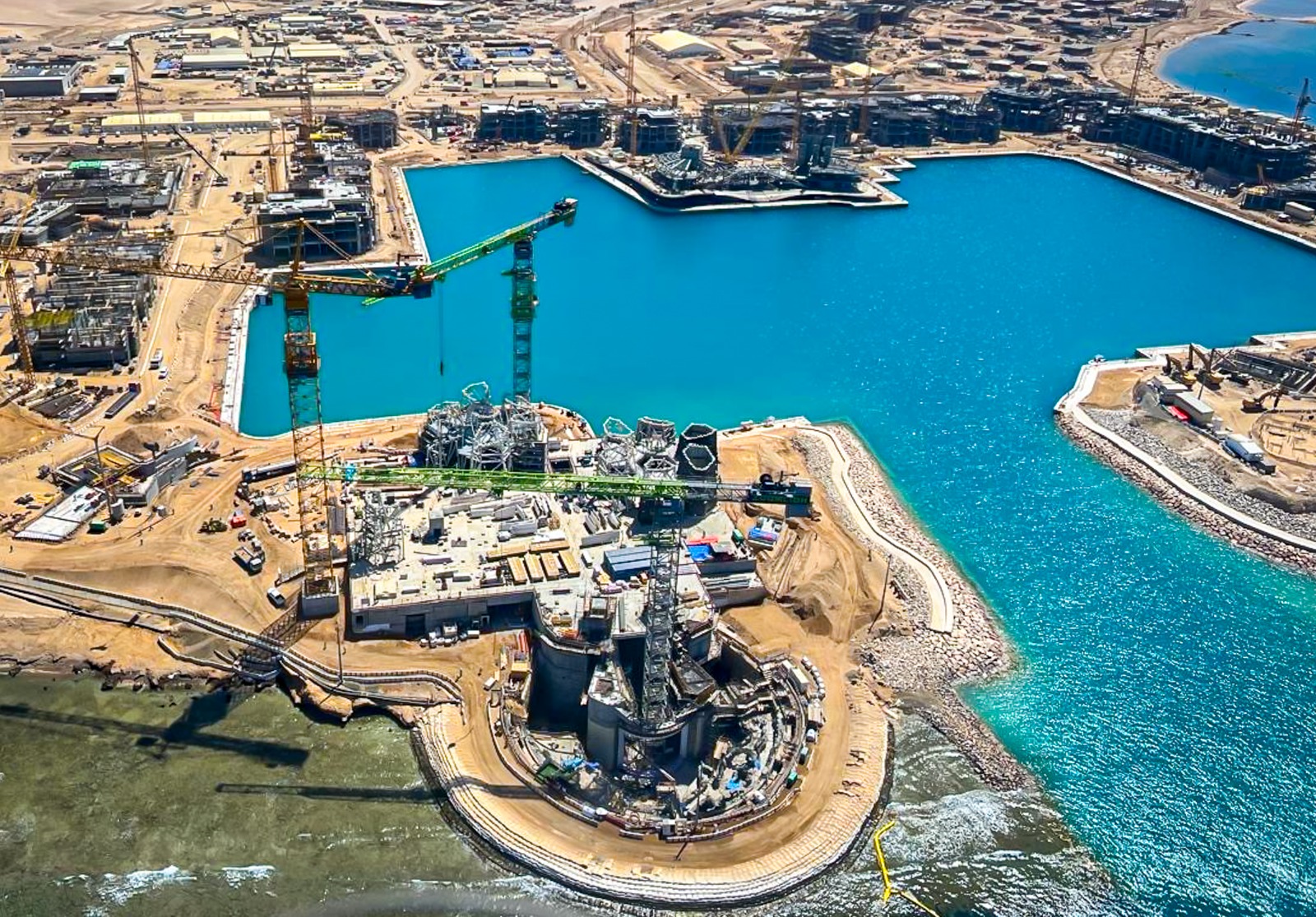
TEESSIDE INDUSTRIAL BASE • UK SITE SUPPORT
Your people need a response that works across real shifts, real hazards and real access constraints. We can help you review what is already in place, identify gaps and build medical capability around the way your site operates.
Discuss Your SiteSpeak directly with people who understand healthcare, operational risk and the realities of delivering support in complex environments.
We look at your people, environment, hazards and access to further care before recommending what you need.
Your training or medical provision will be shaped around the real requirement—not taken from an off-the-shelf package.
Your enquiry is reviewed by the JMS leadership team, so you can discuss the requirement with someone who understands it.
Based close to Teesside’s industrial communities, we support suitable sites across the North East and the wider UK.
Could the right person reach them quickly? Would communications work? Is the equipment appropriate, and does everyone understand the escalation route? We help you examine the complete response, not just whether a first-aid box or trained person is present.
What happens across your shifts and contractor changes?
How quickly can your team reach, stabilise and escalate a casualty?
Will communications work across your site?
How do confined spaces, work at height, water, vehicles or hazardous substances change your response?
Is the route to further care clear and practical?
How will you turn exercises, records and lessons into improvements?
PUBLIC REGIONAL EXAMPLE
Middlesbrough Council publishes emergency-planning information for the area, while neighbouring councils maintain plans for major-hazard areas including Seal Sands and Wilton International.
If you operate in this environment, your medical and evacuation arrangements need to connect with wider emergency plans, access for responding services and post-incident records.
Independent public information. This does not describe work carried out by JMS Medical UK and does not imply a client relationship or endorsement.
The region includes chemical and process operations, clean energy, advanced manufacturing, construction, logistics and dispersed sites. Medical readiness can depend on shift patterns, contractor numbers, access control, work at height, confined spaces, transport routes and evacuation time.
Changing workfaces, contractors and access routes across Tees Valley projects.
Site controls, hazardous substances and escalation interfaces with wider plans.
Shift coverage, machinery and workforce competence.
Remote assets, weather and access to further care.
Large footprints, moving vehicles and time-critical operations.
Communications, resupply and evacuation planning.
If your workforce is spread across a large site or several locations, travel time, access, equipment and escalation can affect the help available in the first critical minutes. We can help you consider those practical gaps.
You may need personnel, training, equipment, evacuation planning or stronger governance. We will look at how those elements work together and help you define a proportionate arrangement for your site.
Site medics or remote teams
First-response coverage
Medical-room support where scoped
Medical equipment review
Emergency-response planning
Incident preparedness
Casualty evacuation planning
Clinical governance
Documentation and escalation
We take you through a clear process focused on how your site really operates.
We ask about your people, work, hazards, shifts, location and controls.
We examine competence, equipment, communications, access and escalation.
We agree the appropriate personnel, hours, facilities, records and interfaces.
Where agreed, we test realistic scenarios and turn lessons into actions.
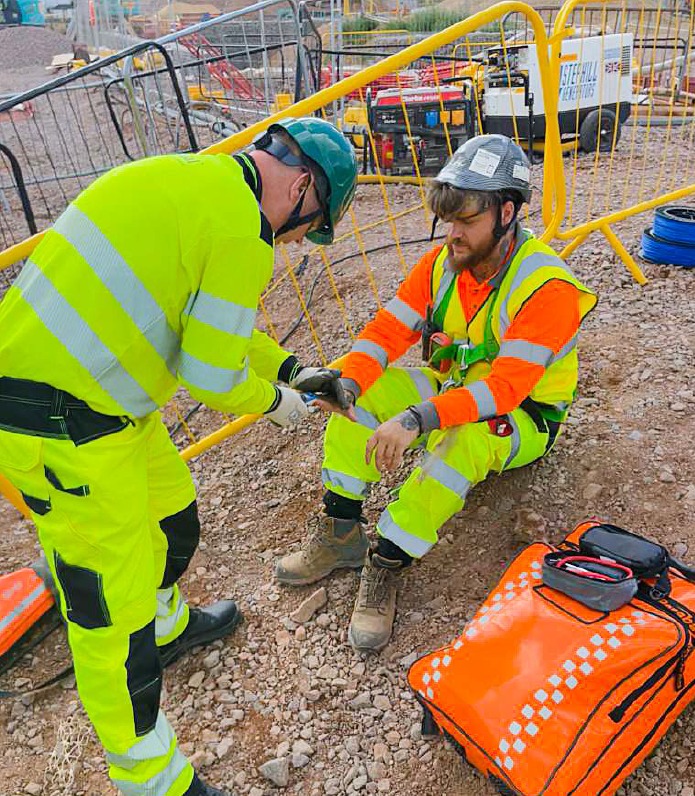
MEDICAL READINESS
Risk and capability review
First-aid needs analysis
Medical equipment review
Evacuation plan review
Governance framework
Scenario testing
Improvement planning
Your arrangement may need responder training, equipment review, emergency planning and medical support to work together. We will only recommend the elements that address your actual risks.
We can discuss responder capability, access challenges, exercises, readiness and operational planning as one connected requirement.
We can help you consider workplace training, emergency planning, site readiness and medical support together.
Tell us about confined spaces, work at height, vehicles, water, difficult access or other specialist hazards. We will help you identify where additional planning, competence or specialist support may be needed.
Work at height
Confined spaces
Vehicle movement
Difficult access
Water environments
Multiple-casualty planning
Tell us your site type and location, workforce, shifts, dates, hazards and current arrangements. Include any access constraints, specialist risks, record requirements or transport concerns you already know about.
A dedicated medic may be appropriate when your risks, workforce, location, shifts or access to further care exceed what your current arrangements can manage. Share your first-aid needs assessment and site information so we can review the question with you.
We consider likely incidents, hazards, workforce, response times, available equipment and access to further care. Tell us what happens on your site and what support is already available.
Night shifts and temporary projects can be considered when dates, hours, location and staffing needs are clear. Send the full working pattern so we can assess availability and scope.
A review can be discussed as part of your wider readiness requirement. Share your current inventory, layout, risks and relevant procedures so we can define what the review should cover.
We look at how a casualty is reached, stabilised, moved and transferred to further care. Tell us about access constraints, rescue arrangements, communications and current escalation routes.
Yes, they can be considered together when that gives your team a more complete arrangement. Tell us what capability you have now and what outcome you need.
Identifies the region’s priority industrial sectors, which shape medical-readiness and competence requirements.
Read the Tees Valley Local Growth PlanPublic context on regional emergency planning and multi-agency coordination your site plan may need to interface with.
Read the Middlesbrough emergency planning informationDescribes the County Durham manufacturing and engineering base behind on-site competence and access questions.
Read the Business Durham advanced manufacturing informationExplains the regulatory framework applying to major-hazard sites and associated emergency-planning duties.
Read the HSE COMAH informationSTART A CONVERSATION
Tell us about your site, workforce, shifts, hazards and existing provision. We will help you identify the areas that deserve a closer look.